
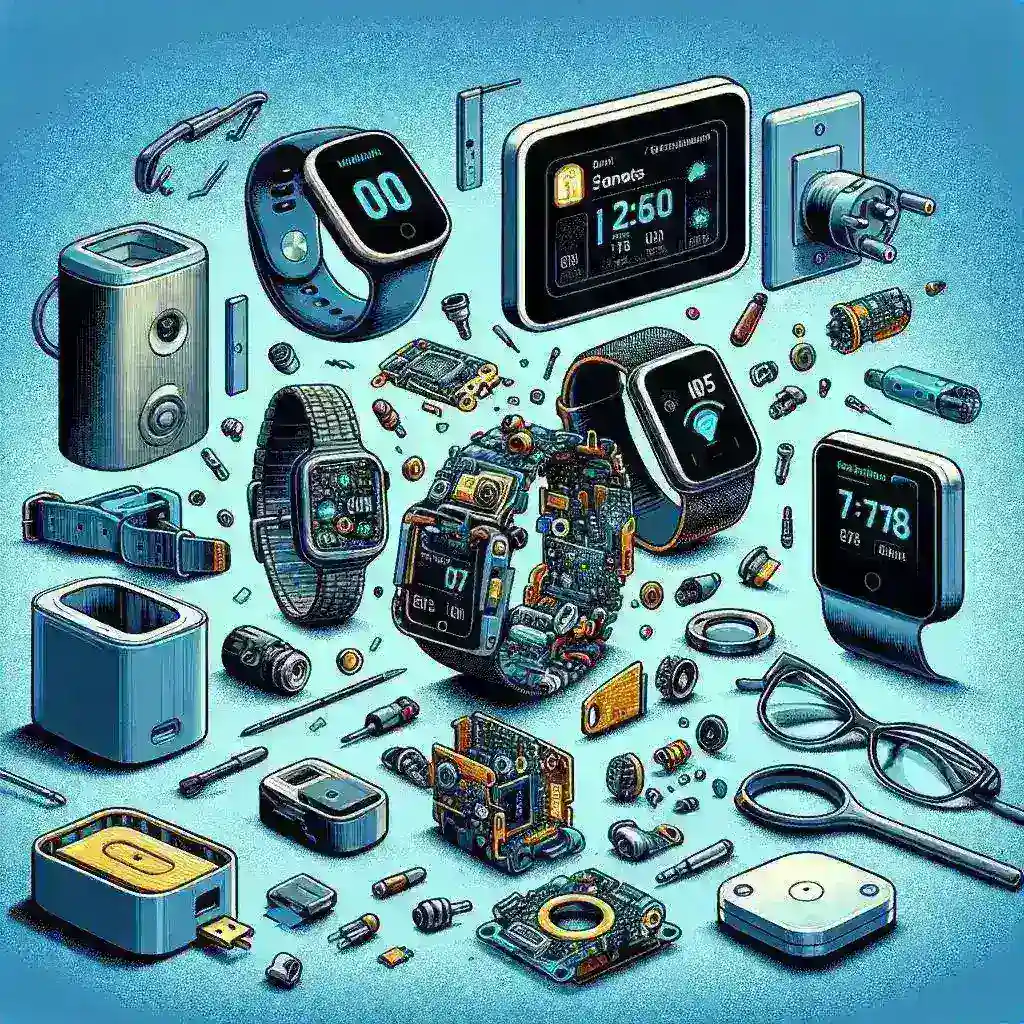
The Evolution of Wearable Technology and Smart Homes
In today’s rapidly evolving technological landscape, wearable devices and smart home systems have become increasingly prevalent. However, what happens to our old wearables when we upgrade to newer models? Rather than letting them gather dust, there’s an innovative solution: transforming them into smart home sensors using biometric building blocks.
Understanding Biometric Building Blocks
Biometric building blocks are modular components that can be used to create sophisticated sensing systems. These blocks typically include:
- Sensor modules for detecting various physical parameters
- Processing units for data interpretation
- Communication interfaces for integration with existing systems
- Power management components
Why Repurpose Old Wearables?
There are several compelling reasons to convert your old wearables into smart home sensors:
- Environmental sustainability – Reducing electronic waste
- Cost-effectiveness – Saving money on new smart home sensors
- Existing capabilities – Utilizing built-in sophisticated sensors
- Proven reliability – Leveraging tested technology
Common Sensors in Wearables
Most wearable devices come equipped with various sensors that can be repurposed:
- Accelerometers for motion detection
- Heart rate monitors for presence detection
- Temperature sensors for environmental monitoring
- Proximity sensors for occupancy detection
- Ambient light sensors for lighting automation
Converting Wearables into Smart Home Sensors
The conversion process involves several key steps:
1. Assessment and Planning
Begin by evaluating your wearable’s capabilities and determining potential applications in your smart home system. Consider factors such as:
- Available sensors and their accuracy
- Battery life and power requirements
- Connectivity options
- Physical mounting requirements
2. Software Modifications
Adapting the wearable’s software is crucial for its new role:
- Installing custom firmware
- Implementing new communication protocols
- Optimizing power consumption
- Setting up data processing algorithms
3. Hardware Integration
Physical modifications may be necessary to integrate the wearable into your smart home:
- Creating mounting solutions
- Implementing power supply modifications
- Adding interface connections
- Ensuring proper ventilation
Practical Applications
Motion Detection Systems
Repurposed wearables can serve as efficient motion detectors for:
- Security monitoring
- Automated lighting control
- Occupancy-based climate control
- Activity pattern analysis
Environmental Monitoring
Temperature and humidity sensors in wearables can be used for:
- Climate control optimization
- Energy efficiency improvements
- Indoor air quality monitoring
- Weather trend analysis
Health and Safety Applications
Biometric sensors can be repurposed for:
- Elder care monitoring
- Sleep pattern analysis
- Air quality alerts
- Emergency detection systems
Integration with Existing Smart Home Systems
Successfully integrating repurposed wearables requires:
- Compatible communication protocols
- Proper API implementation
- Reliable data management systems
- Robust automation rules
Best Practices and Considerations
When implementing this solution, keep in mind:
- Security concerns – Ensure proper data encryption and privacy measures
- Power management – Implement efficient energy usage strategies
- Maintenance requirements – Regular software updates and hardware checks
- Scalability – Plan for future expansion and integration
Future Possibilities
The field of repurposed wearables as smart home sensors continues to evolve with:
- Advanced AI integration
- Improved sensor accuracy
- Enhanced automation capabilities
- Greater system interoperability
Conclusion
Transforming old wearables into smart home sensors using biometric building blocks represents an innovative approach to sustainable technology use. By following proper implementation guidelines and understanding the capabilities of your devices, you can create a more sophisticated and efficient smart home system while giving new life to your old technology.





Leave a Reply