
Introduction
In recent years, the conversation around climate change has intensified, urging companies and researchers to seek innovative solutions to mitigate its impact. One of the most promising approaches involves synthetic biology, a field that merges biology with engineering to design and construct new biological parts and systems. A groundbreaking synthetic biology company has taken a bold step by creating artificial microbes specifically for carbon capture, promising a revolutionary solution to one of the planet’s most pressing issues.
Understanding Synthetic Biology
Synthetic biology is a multidisciplinary field that combines biology, chemistry, engineering, and computer science to design organisms with new functionalities. By manipulating the genetic material of organisms, scientists can engineer microbes that perform specific tasks, such as breaking down pollutants or producing biofuels. This technology holds the potential to address various global challenges, including food security, renewable energy, and, crucially, carbon emissions.
The Need for Carbon Capture
As global temperatures rise due to increasing greenhouse gas concentrations, carbon capture technology has become essential in the fight against climate change. According to the International Energy Agency (IEA), carbon capture and storage (CCS) could contribute significantly to reducing global CO2 emissions. However, traditional carbon capture methods often face limitations regarding efficiency and scalability.
Introducing Artificial Microbes
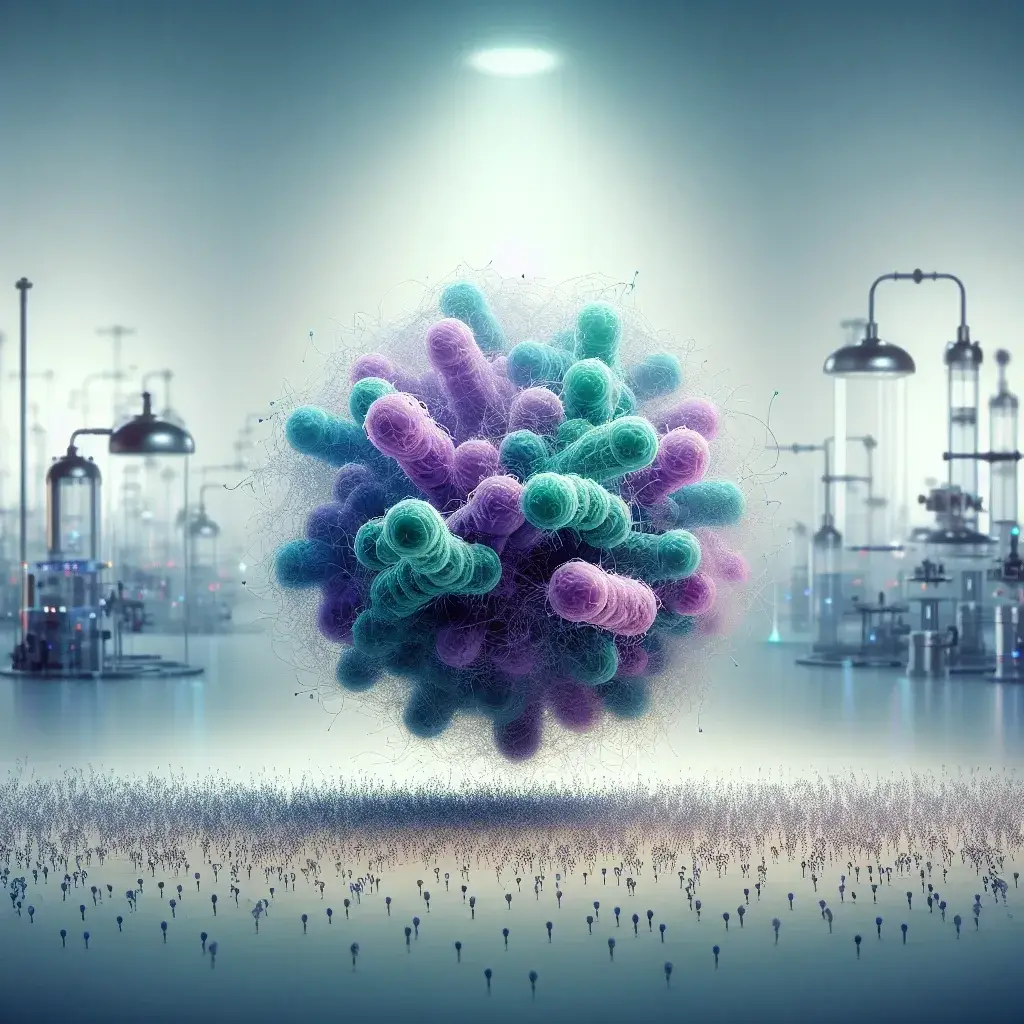
The synthetic biology company has developed artificial microbes designed to absorb carbon dioxide directly from the atmosphere. These specially engineered microorganisms can be deployed in various environments, including industrial sites and urban areas, to effectively capture CO2 emissions before they escape into the atmosphere.
How Do They Work?
The artificial microbes are designed to mimic natural processes that occur in nature, such as photosynthesis and microbial respiration. The company utilizes advanced genetic engineering techniques to enhance the microbes’ ability to sequester carbon, improving their efficiency over naturally occurring organisms. The engineered microbes can convert carbon dioxide into organic compounds, which can then be used in various applications.
Benefits of Artificial Microbes
- Scalability: These artificial microbes can be produced in large quantities, making them a viable solution for widespread use in carbon capture efforts.
- Cost-Effectiveness: The application of synthetic biology techniques allows for a reduction in the overall costs associated with carbon capture, making it more attractive for industries.
- Versatility: The captured carbon can be converted into useful products like biofuels or raw materials for various industries, creating a circular economy.
- Environmental Impact: Utilizing artificial microbes can significantly reduce the carbon footprint of industrial processes and contribute to cleaner air quality.
Challenges Ahead
While the development of artificial microbes for carbon capture is promising, there are challenges that need to be addressed:
- Regulatory Hurdles: The use of genetically modified organisms (GMOs) often faces strict regulations, which can delay deployment and commercialization.
- Public Perception: There is widespread skepticism regarding GMOs, and gaining public trust is crucial for the acceptance of these technologies.
- Technical Limitations: Further research is needed to optimize the performance of artificial microbes and ensure they operate effectively in diverse environments.
Real-World Applications
The potential applications of artificial microbes extend beyond mere carbon capture. For instance, companies can implement these microbes in:
- Wastewater Treatment: The microbes can be integrated into wastewater treatment plants to absorb CO2 and improve water quality.
- Agriculture: By capturing carbon in soil, these microbes could enhance soil health and improve crop yields.
- Industrial Processes: Factories can utilize these microbes to manage emissions and create sustainable production systems.
Future Predictions
The future of artificial microbes in carbon capture is bright. As technology continues to advance, there will be increased collaboration between synthetic biology companies and industries seeking sustainable solutions. Experts predict that by 2030, carbon capture technologies, including those utilizing engineered microbes, will play a critical role in achieving net-zero emissions goals globally.
Conclusion
The creation of artificial microbes for carbon capture marks a significant milestone in the fight against climate change. By harnessing the power of synthetic biology, this innovative company is paving the way for a more sustainable future. While challenges remain, the potential benefits of these artificial microbes could help reshape industries and contribute to a healthier planet. As we continue to explore and invest in such technologies, we take a vital step toward combating climate change and ensuring a livable world for generations to come.





Leave a Reply