
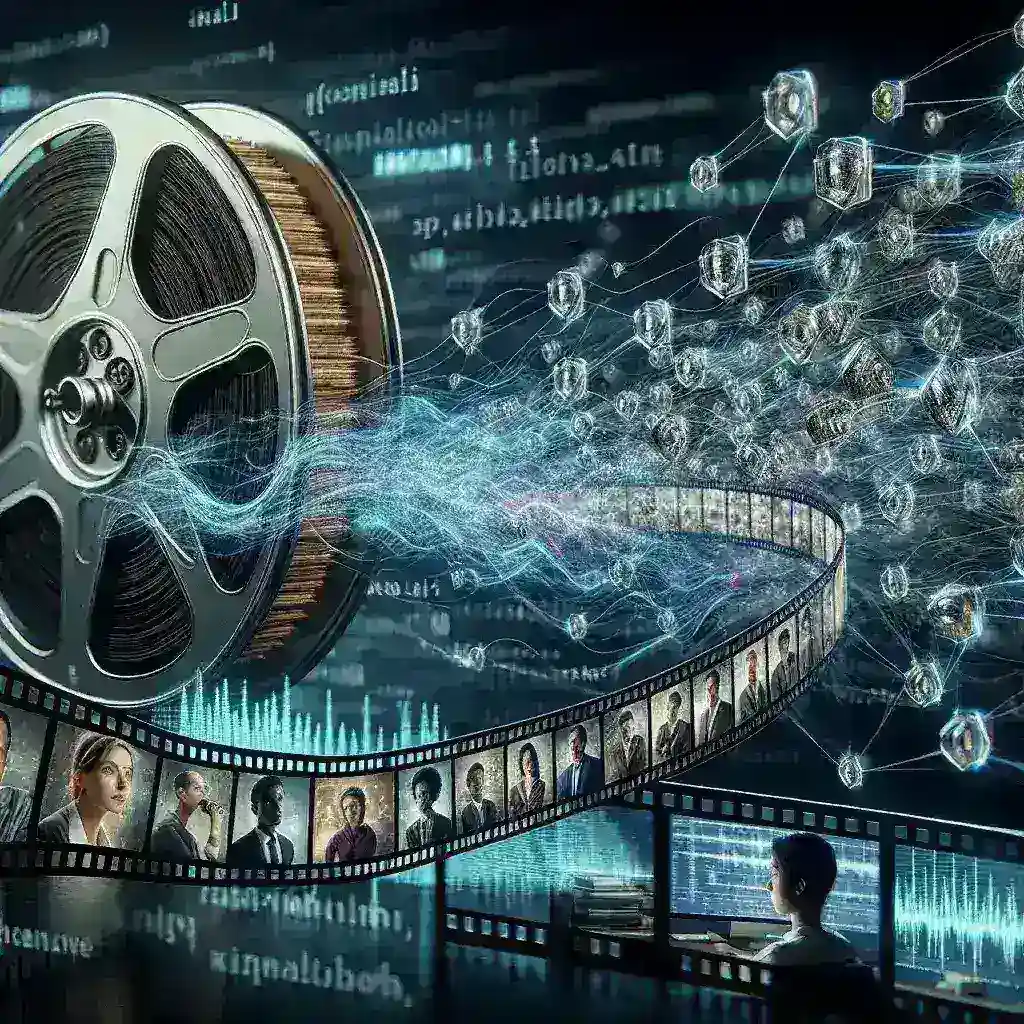
Introduction
In the rapidly evolving landscape of artificial intelligence (AI), video production has seen significant advancements, yet one persistent challenge remains: audio synchronization. The process of aligning audio with video content is crucial for delivering an immersive experience to viewers, but it is often fraught with difficulties. In this article, we delve into the reasons why audio synchronization continues to challenge AI video technologies, exploring its historical context, current barriers, and potential future solutions.
Understanding Audio Synchronization
Audio synchronization refers to the alignment of sound with visual elements in a video. This synchronization ensures that dialogues, sound effects, and background music coincide perfectly with the visual stimuli being presented. Proper synchronization enhances viewer engagement and comprehension, making it a critical aspect of video production.
The Historical Context
Historically, audio synchronization has been a technical challenge in the film and television industry, long before the advent of AI. Early filmmakers dealt with sound recording in post-production, which often led to discrepancies between audio and visual elements. As technology advanced, the introduction of synchronized sound systems improved the situation, but the problem wasn’t fully resolved. With the rise of digital media and AI, the complexity of audio synchronization has increased, as new challenges have emerged.
Challenges in AI-Powered Audio Synchronization
- Variability of Audio Sources: AI systems often process audio from multiple sources, each with its unique characteristics. Variability in audio quality, volume, and clarity can make it difficult for algorithms to achieve precise synchronization.
- Contextual Understanding: Unlike humans, AI lacks contextual understanding of dialogue and sound cues. This limitation can lead to misalignments, especially in scenes with overlapping audio or complex soundscapes.
- Latency Issues: Real-time processing of audio and video can introduce latency, further complicating synchronization efforts. Any delay in processing can result in noticeable disjunctions between audio and visual components.
- Dynamic Environments: In many cases, videos are recorded in dynamic environments with varying background noise. AI systems may struggle to isolate and synchronize relevant audio against such a backdrop.
Current Technologies and Approaches
Various technologies and methodologies have been developed to address audio synchronization challenges in AI video production. Below are some of the most notable:
1. Machine Learning Algorithms
Machine learning algorithms have shown promise in improving audio synchronization accuracy. By training on extensive datasets, these algorithms can learn patterns and develop a better understanding of audio-visual relationships. However, their effectiveness is often limited by the quality and diversity of the training data.
2. Signal Processing Techniques
Advanced signal processing techniques can help isolate audio signals and enhance clarity, ultimately aiding synchronization. Techniques such as filtering, noise reduction, and echo cancellation are commonly used in this context.
3. Deep Learning Neural Networks
Deep learning networks, particularly convolutional neural networks (CNNs), have been employed to analyze audio-visual combinations. These networks can potentially identify and rectify synchronization issues, although they require substantial computational resources.
Pros and Cons of Current Solutions
Pros
- Increased Efficiency: AI-powered tools can significantly speed up the video editing process, allowing for rapid production workflows.
- Scalability: AI solutions can handle large volumes of data, making them ideal for industries with high demand for video content.
Cons
- Quality Control: Automated systems may not always achieve the level of quality that human editors can provide, potentially leading to unsatisfactory results.
- Dependency on Data: AI models are only as good as the data they are trained on. Poor-quality or biased data can result in flawed synchronization outcomes.
Future Predictions for Audio Synchronization
As the field of AI continues to evolve, we can expect significant advancements in audio synchronization technologies. Here are a few predictions:
1. Improved Contextual Understanding
Future AI systems may leverage advancements in natural language processing to better understand the context of dialogue and sound. This could lead to more accurate synchronization that takes into account the nuances of human communication.
2. Enhanced Collaboration Between AI and Human Editors
The future may see a hybrid approach where AI tools assist human editors rather than replace them. This collaboration can ensure that the artistic elements of video production are maintained while also benefiting from AI’s efficiency.
3. Real-time Synchronization Solutions
As processing power continues to increase, real-time audio synchronization solutions may become a reality, allowing for seamless integration of audio and video during live broadcasts or events.
Conclusion
In conclusion, while AI has made remarkable strides in video production, audio synchronization remains a significant challenge. The complexities of variable audio sources, contextual understanding, and latency issues all contribute to this ongoing difficulty. However, with advancements in machine learning, signal processing, and deep learning technologies, the future looks promising. As we continue to innovate, the integration of AI in video production will lead to improved audio synchronization, ultimately enhancing the viewer experience.





Leave a Reply